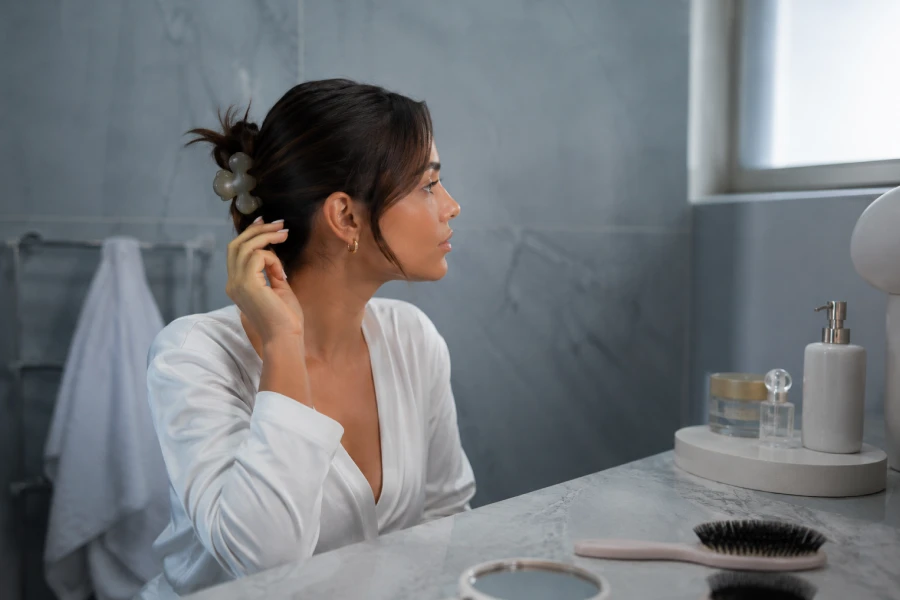
Low manipulation hairstyles are designed to reduce daily handling while still letting hair feel beautiful. They help strands rest from constant brushing, heat, stretching, and restyling. This matters because repeated manipulation can cause breakage, frizz, tangles, and tired ends. The right style makes care simpler without making hair feel forgotten. It should fit your routine, protect vulnerable areas, and still reflect your personal style. Rest does not have to mean boredom. With thoughtful choices, hair can look intentional while receiving the gentleness it needs.
Every styling session creates some level of friction. Combs, brushes, hands, elastics, and clothing can all affect the strand. A gentle hair maintenance approach reduces those repeated stress points. Fewer touchups mean fewer chances for snapping. Hair also retains moisture better when it is not constantly disturbed. This makes the style useful beyond convenience. It becomes part of a healthier routine.
Texture should guide the style. Loose waves may rest well in braids or soft buns. Coils may benefit from twists, tucked styles, or stretched low-tension looks. Fine hair may need lightweight options. Dense hair may need sectioning that prevents tangles. The goal is comfort and stability. A style should not require force to stay in place. When texture leads the decision, the result lasts longer and feels better.
Ends need special attention because they are older and more fragile. Tucking them away reduces rubbing against clothing and weather. A length retention approach often begins with protecting those ends consistently. Loose buns, flat twists, claw-clip styles, and pinned looks can help. Keep the style secure, but not tight. Protected ends make long-term progress easier to see because less length breaks away.
A hairstyle should pass the comfort test immediately. It should not pull, pinch, ache, or create headaches. If you feel tension, adjust it early. Pain is not proof that a style will last. It is a warning. Comfortable styles are easier to maintain and safer to repeat. They also make you less likely to constantly touch or fix your hair. Comfort protects both your scalp and your patience.
Busy weeks require styles that stay neat with minimal attention. Large twists, low buns, simple braids, and tucked rolls can work well. A protective styling strategy helps you choose based on the week ahead. Consider workouts, weather, sleep, and wash day. A style that fits the calendar will perform better. Hair care becomes easier when it supports real life instead of fighting it.
Low manipulation should never mean low moisture. Hair still needs hydration, especially when ends are tucked away. Apply leave-in products before styling. Refresh lightly as needed. Use oil or cream where your hair responds well. Avoid product overload that creates buildup. The goal is flexible softness. Dry hair becomes harder to protect. Moisturized hair bends, moves, and resists breakage more effectively. This makes the style more protective.
Simple styles can still feel expressive. Parting, accessories, face-framing pieces, and finish all shape the mood. A sleek low bun feels polished. Loose twists feel relaxed. A tucked roll can look romantic. A low tension styling approach does not remove style. It removes unnecessary strain. This makes the look more sustainable. Hair can rest while still feeling like part of your identity.
No style should stay forever. Frizz, dryness, scalp discomfort, and tangling can signal that it is time to refresh. Listen before problems grow. Remove the style gently. Detangle slowly. Cleanse and condition when needed. Then decide whether to repeat the style or choose something different. This cycle keeps care responsive. Low manipulation works best when it remains flexible. The goal is less handling, not ignoring your hair completely.
Rest can be an active form of care. Choosing gentler styles helps hair recover from daily stress. A healthy hair growth routine becomes easier when styling does not create constant setbacks. The reward is not only length. Hair may feel softer, calmer, and easier to manage. Over time, that consistency builds trust. Your hair gets space to thrive, and you get a routine that feels lighter.

Leave a comment