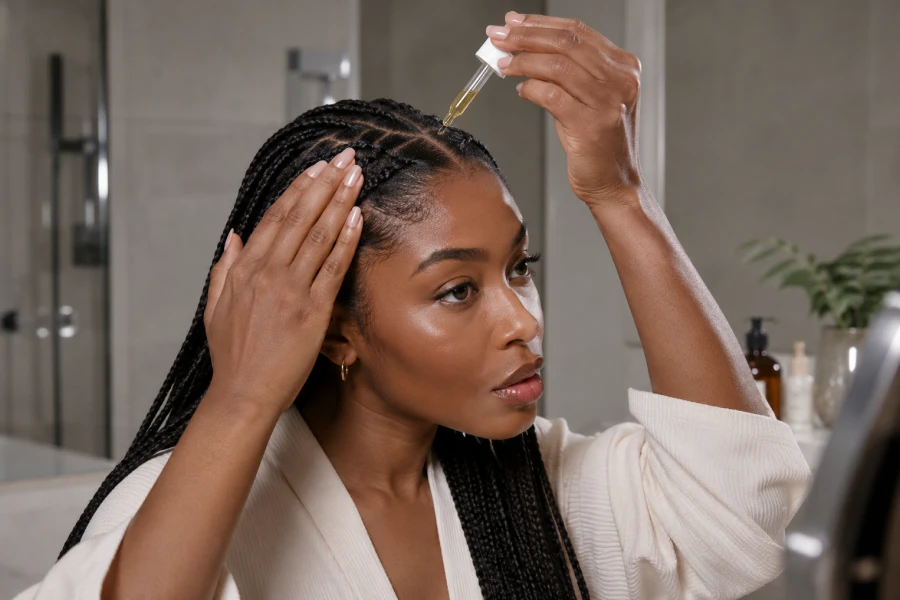
Protective hairstyles for healthy hair growth can transform daily care by reducing stress on strands. The right style does not magically grow hair overnight. Instead, it protects progress by limiting breakage, tangling, dryness, and constant manipulation. That protection matters because length is often lost through daily wear, not lack of growth. A smart style gives hair time to rest. It also makes routines more manageable. When the scalp, ends, and moisture needs stay supported, hair can retain more of what it naturally grows. That is where real progress begins.
A protective style works best when it fits your hair, schedule, and scalp. Random styling can create tension or dryness. A protective styling strategy helps you choose styles with intention. Consider your hair density, strand strength, and daily activity level. Also think about how long you can maintain a style comfortably. Protection should never feel painful. The best plan reduces effort while keeping hair healthy, clean, and hydrated.
Breakage often happens at the ends, edges, and high-friction areas. Tight ponytails, rough detangling, dry strands, and exposed ends can all contribute. Before choosing a style, identify where your hair struggles most. If your edges feel fragile, avoid tight pulling. If your ends split easily, tuck them away. If your scalp gets irritated, choose a style with easier access. Good styling begins with honest observation. Hair care improves when the style solves a real problem.
Length retention depends on keeping older hair intact. New growth appears at the scalp, but the ends show your history. A length retention approach protects those older ends from friction and dryness. Buns, twists, braids, and tucked styles can all help when done gently. The key is reduced manipulation. Less brushing, pulling, and restyling usually means fewer broken strands. Over time, that difference becomes visible.
A protective style should not hide neglect. Hair still needs moisture while it rests. Use lightweight hydration when the style allows it. Seal ends before tucking them away. Mist lightly if hair becomes dry. Avoid heavy buildup that makes cleansing difficult. A moisture retention routine keeps strands flexible. Flexible hair resists snapping better than dry hair. Protection works best when moisture and low manipulation happen together.
Tension can turn a protective style into a damaging one. Pain, bumps, headaches, or tight edges are warning signs. A low tension styling mindset keeps comfort at the center. Styles should feel secure, not strained. Ask for less pulling if someone else styles your hair. Loosen sections that feel too tight. Growth goals should never require discomfort. Healthy hair begins with a healthy scalp and protected follicles.
Your schedule should influence your styling choice. A busy week may need a simple tucked bun or large twists. A travel week may call for braids that stay neat longer. A workout-heavy schedule needs access to the scalp. Choose styles that match real life. This prevents frustration and overhandling. Hair does better when your style supports your routine. The most beautiful choice is often the one you can maintain calmly.
Wash day should remain part of the plan. Some styles allow cleansing while installed. Others need removal before washing. A wash day balance prevents buildup, dryness, and scalp discomfort. Do not leave a style in simply because it still looks neat. Hair health matters more than appearance. Clean hair responds better to moisture. A refreshed scalp also makes the next style more comfortable.
Rest periods help you understand your hair’s condition. After removing a style, detangle slowly. Look for shedding, breakage, dryness, or scalp irritation. Deep condition if needed. Let hair breathe before installing another long-term style. This pause protects against cumulative stress. It also helps you adjust future choices. Protective styling should be a cycle of care, not a cycle of hiding hair. Each style should leave your hair ready for the next step.
Healthy growth requires patience, observation, and gentle consistency. Styles can support progress, but they cannot replace care. A healthy hair growth routine includes moisture, cleansing, scalp comfort, and low manipulation. When those pieces work together, hair has a better chance to thrive. The process becomes less about chasing length and more about protecting what you already have. That shift makes growth feel practical, calm, and achievable.


Leave a comment