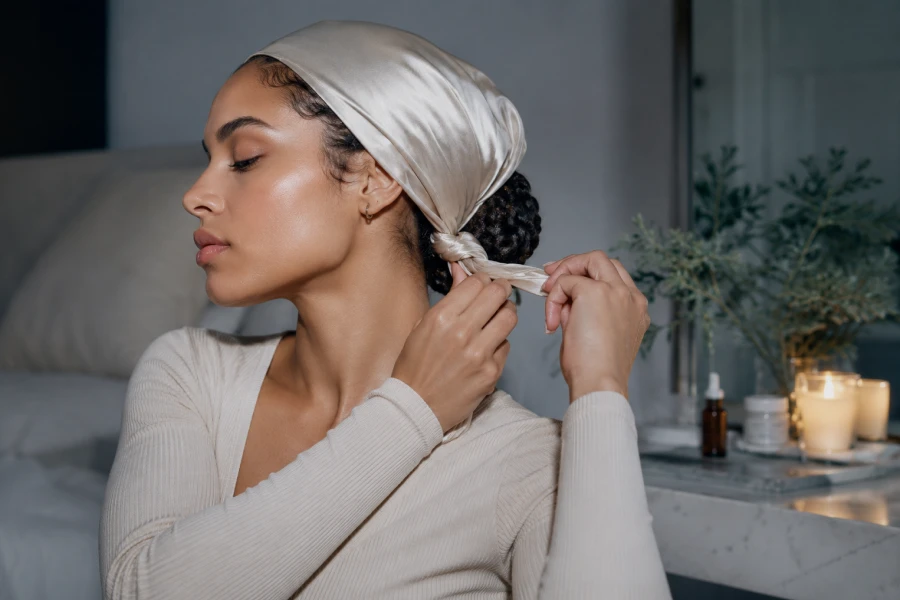
Hair growth protective styles work best when they are paired with gentle consistency. A style can reduce breakage, protect ends, and simplify daily care, but it cannot replace healthy habits. Hair still needs cleansing, moisture, scalp comfort, and careful takedown. The strongest results usually come from repeating supportive choices over time. This means choosing styles that protect without pulling. It also means caring for hair while it rests. When styling becomes part of a thoughtful system, growth goals feel more realistic and less frustrating.
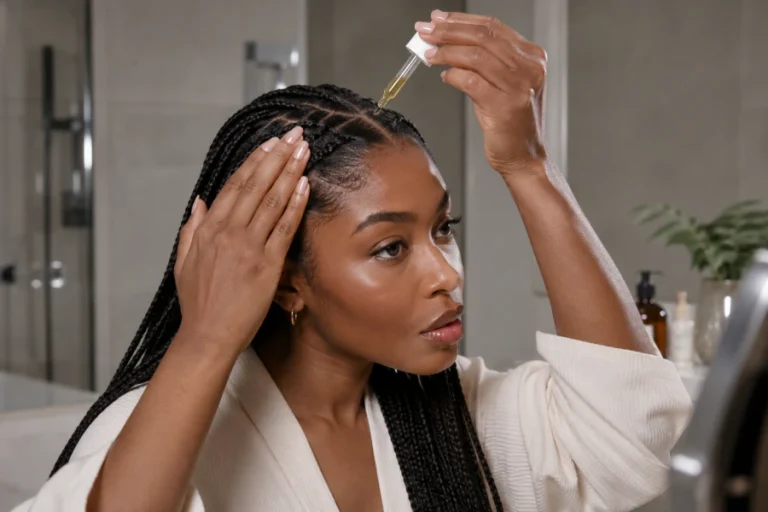
The scalp is the foundation of healthy styling. Tightness, itching, flakes, or soreness should never be ignored. A scalp care rhythm helps you notice changes early. Choose styles that allow comfort and access when possible. Cleanse according to your needs, not someone else’s timeline. A calm scalp supports a better styling experience. It also helps you enjoy the protective phase without discomfort.
Ends face constant stress from clothing, weather, bedding, and styling tools. Protective styles help by tucking ends away or reducing their exposure. This supports length retention because older hair remains intact longer. Use moisture before styling. Seal ends if your hair responds well to that step. Avoid rough elastics and tight pins. Small choices add up. The less stress your ends experience, the more visible your progress can become.
Overhandling is a common reason hair struggles to retain length. Daily restyling creates tension, friction, and tangles. A low tension styling plan limits unnecessary manipulation. The hair stays organized for longer stretches. Mornings become easier. Breakage often decreases because strands face fewer disturbances. This does not mean doing nothing. It means touching the hair with more purpose and less force.
Some hair thrives in weeklong styles. Other hair needs refreshing sooner. Scalp sensitivity, product buildup, dryness, and tangling all affect timing. Do not choose duration based only on appearance. A style may still look neat while hair underneath needs care. Removing it on time prevents avoidable setbacks. Healthy styling requires honest check-ins. The right duration protects your hair and your comfort. That balance matters more than keeping a style longer.
Moisture balance keeps protected hair flexible. Dry hair breaks more easily, even when tucked away. A moisture retention routine should begin before installation and continue during wear. Use products lightly so buildup does not overwhelm the scalp. Refresh where your hair feels dry. Pay attention to ends and edges. Protection works better when hair remains soft, elastic, and cared for.
Not every tucked or braided style is truly protective. Heavy extensions can pull. Tiny sections can strain fragile areas. Sleek styles can create repeated edge tension. A style should protect the strand and respect the scalp. If removal causes excessive breakage, review the choice. If your edges feel sore, change the placement. Protective styling should leave hair better, not exhausted. Appearance alone does not prove that a style is healthy.
Long-term progress needs variety and recovery. Rotate styles to avoid stressing the same areas repeatedly. Include rest periods between longer installations. Deep condition when hair asks for moisture. Trim damaged ends when needed. A protective style planning approach keeps the process flexible. Hair changes with seasons, health, and length. Your styling plan should evolve too. That adaptability helps prevent frustration and protects momentum.
Growth journeys can feel emotional. People often measure progress too often and blame themselves too quickly. Protective styling can reduce that pressure by simplifying daily care. It gives hair a chance to rest while you focus on consistency. A hair growth confidence mindset values maintenance, not perfection. You learn what your hair likes. You also learn what creates setbacks. That knowledge makes every future choice stronger.
The best results come from repeated care that feels sustainable. Choose styles that protect without pain. Keep moisture present. Cleanse when needed. Remove styles patiently. Give hair time to recover. A breakage prevention habits routine supports progress from every direction. This is not a quick trick. It is a steady system. When protection and gentleness work together, hair has more room to grow and stay healthy.


Leave a comment