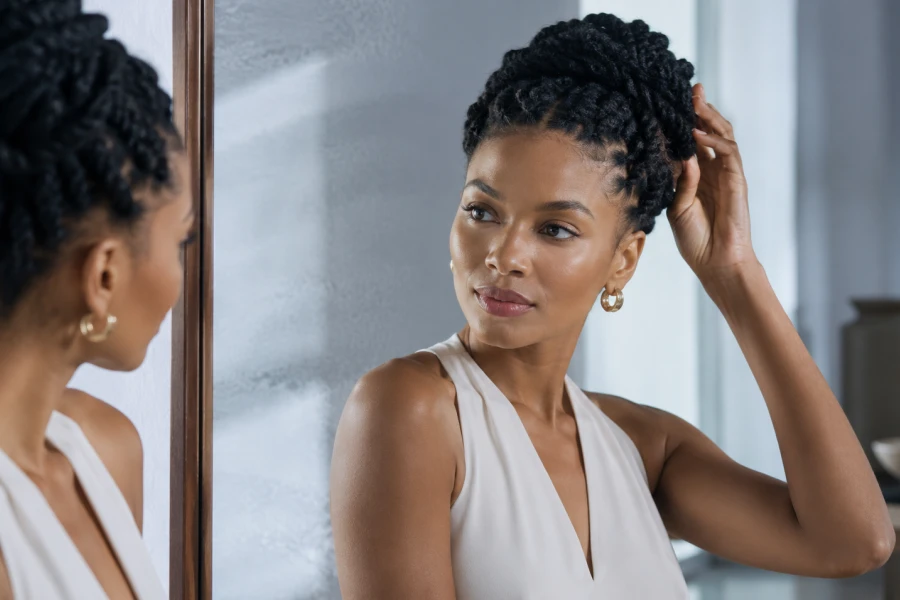
Protective hairstyles for natural hair reveal an important truth about growth. Many people grow hair consistently, but they lose length through breakage, dryness, and repeated manipulation. A thoughtful style can reduce those daily losses. It can also help natural textures stay organized, moisturized, and easier to manage. The best styles do not force the hair into discomfort. They work with curl pattern, density, shrinkage, and lifestyle. When styling becomes gentler, length retention often improves. The goal is not to hide natural hair. The goal is to protect it while respecting its needs.
Natural hair is beautifully varied. Some textures shrink tightly. Others stretch more easily. Some strands are fine, while others feel dense and strong. A natural hair care plan begins by respecting those differences. Styles that work for one person may stress another. Understanding texture helps you choose better tension, section size, and maintenance frequency. Hair thrives when styling supports its actual behavior, not an imagined ideal.
Daily styling can quietly damage natural hair. Combing, brushing, stretching, and reshaping all create friction. Protective styles reduce how often the hair needs handling. This gives strands time to remain intact. It also makes mornings easier. However, low manipulation does not mean no care. Hair still needs hydration and scalp attention. The balance matters. You want less disturbance, but not complete neglect. That difference protects both appearance and health.
Ends are the oldest and most delicate part of the strand. They have survived weather, washing, styling, and friction. A breakage prevention habits approach keeps ends tucked, moisturized, and handled gently. Twists, buns, braids, and roll-and-tuck styles can help. The style should reduce exposure without creating tension. When ends stay protected, length has a better chance to remain visible over time.
The scalp should never suffer for a style. Tightness, itching, soreness, or bumps indicate a problem. A healthy style allows normal movement and comfort. Sections should not pull painfully at the roots. Extensions should not feel too heavy. If discomfort appears, adjust quickly. Ignoring tension can damage edges and follicles. A beautiful style should feel good after installation, not only after several days of loosening. Comfort is part of protection.
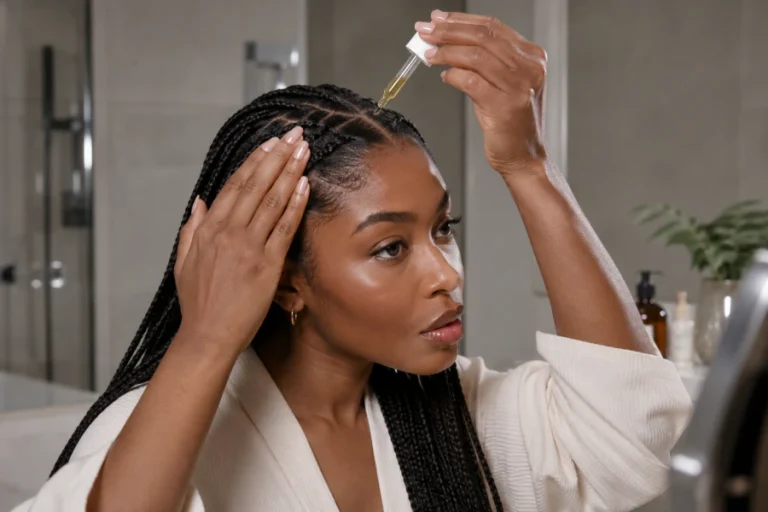
Moisture timing makes protective styling more effective. Hydrate before installing a style. Seal ends appropriately. Refresh lightly during wear. Cleanse before buildup becomes heavy. A scalp care rhythm also keeps the foundation healthy. Dry hair becomes less flexible and more prone to snapping. Moisturized hair moves better. This is why preparation and maintenance matter as much as the final style.
Short-term styles offer flexibility. They allow frequent washing, easy moisturizing, and quick changes. Long-term styles offer convenience, especially during busy periods. Both can support hair health when chosen wisely. The decision depends on your scalp, schedule, and hair condition. If hair feels weak, choose a lighter option. If life is hectic, choose something manageable. The best style is not always the most elaborate. It is the one your hair can wear safely.
Confidence grows when care feels manageable. A good style can make natural hair feel easier without reducing its beauty. A hair growth confidence mindset helps you see styling as support, not surrender. You are not hiding your hair. You are giving it structure, rest, and protection. That perspective makes the process feel empowering. Healthy styling can be practical and expressive at the same time.
Removal can determine whether a style truly protected your hair. Rushing through takedown causes unnecessary breakage. Use oil or conditioner if needed. Detangle in sections. Separate shed hair gently before washing. Do not panic when normal shedding appears. Hair that stayed in a style may release collected shed strands at once. Patience keeps the benefits intact. A careful takedown protects the progress you worked to preserve.
Personal protection changes with seasons, health, and lifestyle. What works during a humid summer may not suit a dry winter. What worked last year may not fit your current hair length. A protective style planning habit keeps your choices flexible. Review what helped and what caused stress. Adjust without guilt. Natural hair responds best when care remains attentive, gentle, and honest.



Leave a comment